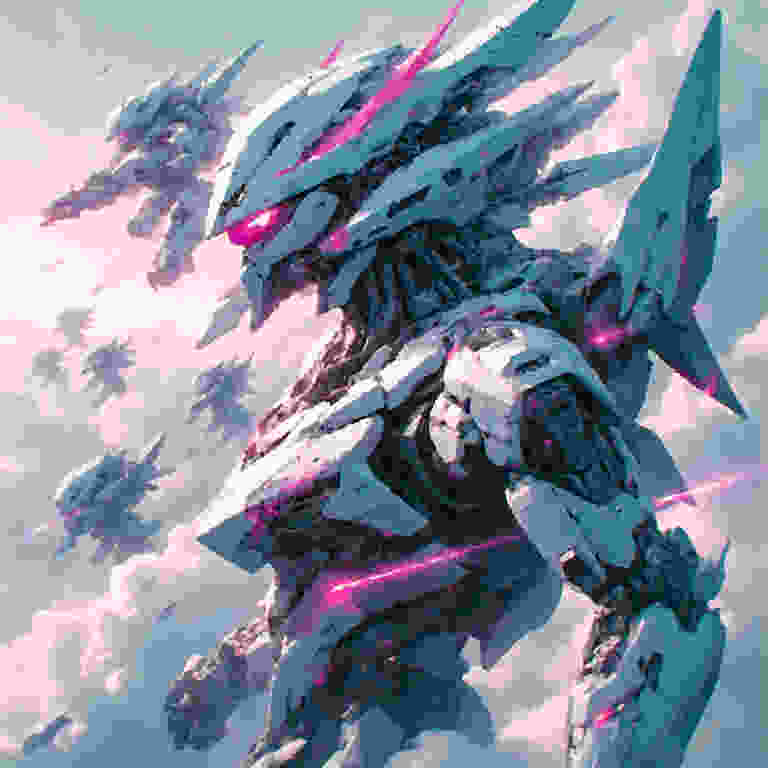

Mecha anime, with its towering robots, epic battles, and philosophical undertones, has evolved from niche sci-fi to a cornerstone of the medium, influencing global pop culture from Hollywood films to toy empires. Rooted in post-war Japan’s fascination with technology and humanity, the genre’s history spans decades of innovation, blending action, drama, and innovation. From the pioneering giants of the 1960s to 2025’s high-tech revivals like Mobile Suit Gundam: Requiem for Vengeance (ongoing on Netflix), mecha’s legacy endures through stunning animation, diverse themes, and unforgettable pilots. Let’s trace its positive ascent, highlighting key series that shaped its metallic heart—no plot reveals, just the thrill of evolution.
Early Sparks: 1950s-1960s Foundations in Super Robots
Mecha’s origins trace to manga like Osamu Tezuka’s Mighty Atom (Astro Boy) (1952 manga, 1963 anime), where boy robots like Astro’s rocket-boosted flights and laser eyes blended heroism with tech wonder, inspiring childlike awe. Tetsujin 28-go (Gigantor) (1963) pioneered remote-controlled giants, with boy controller Shotaro’s commands directing iron fists against threats—simple yet groundbreaking animation set the super robot template. These early works emphasized moral machines, laying ethical groundwork for later depths.
1970s Boom: Go Nagai’s Dynamic Giants
Go Nagai revolutionized with Mazinger Z (1972), Aphrodite A’s missile breasts and Koji Kabuto’s piloted cockpit fights introducing pilot-robot bonds and upgradeable arsenals like rust hurricanes—energetic designs boosted toy sales and global exports. Getter Robo (1974) added combiners, three pilots merging jets into forms with tomahawk swings—teamwork themes echoed in future ensemble casts.
1980s Realism: Gundam and Macross Shift Gears
Yoshiyuki Tomino’s Mobile Suit Gundam (1979) birthed “real robot” era, Amuro Ray’s RX-78 beam rifle skirmishes treating mecha as military hardware—strategic duels and faction politics added maturity. The Super Dimension Fortress Macross (1982) fused idols with transformable Valkyries, Hikaru Ichijyo’s dogfights blending romance and war—variable fighters influenced Robotech‘s Western wave.
1990s Introspection: Evangelion and Escaflowne’s Depth
Hideaki Anno’s Neon Genesis Evangelion (1995) introspected pilots’ psyches, Shinji Ikari’s Eva sync-rates exploring identity amid biomechanical giants—symbolic visuals and orchestral scores elevated existential themes. The Vision of Escaflowne (1996) wove fantasy, Van Fanel’s guymelef swordplay with rune-powered flight—steampunk aesthetics blended genres delightfully.
2000s Diversity: Gurren Lagann and Code Geass Innovation
Trigger’s Gurren Lagann (2007) amped scale, Simon’s drill-piercing mechs symbolizing ambition—over-the-top animation celebrated growth. Code Geass (2006) integrated Knightmares with strategy, Lelouch’s Geass commands syncing with mech dogfights—CLAMP designs added flair.
2010s Global Fusion: Darling in the Franxx and Gundam Revivals
Studio Trigger’s Darling in the Franxx (2018) paired pilots in Franxx units, Hiro’s sync dances exploring connections—vibrant visuals pushed emotional boundaries. Gundam sequels like Iron-Blooded Orphans (2015) refreshed realism with child soldiers’ grit.
2020s High-Tech Renaissance: Modern Masterpieces
2025’s Mobile Suit Gundam GQuuuuuuX innovates with colony skirmishes (as in the trailer), while 86 (2021) drones blend mecha with drama. Legacy revivals like Gundam: Requiem for Vengeance (ongoing) honor roots with CGI polish.
This is the trailer of Gundam: Requiem for Vengeance released on Netflix channel.
Mecha’s evolution—from super to real, introspective to fused—celebrates humanity through metal, inspiring endless creativity. With ongoing series like Requiem, the genre’s future gleams.
Why People Love The Genre?
The Mecha genre has captivated audiences for decades, and its enduring popularity can be attributed to a combination of factors that tap into our deepest desires and fascinations. At its core, mecha anime, manga, and games offer a thrilling blend of action, adventure, and escapism, allowing fans to immerse themselves in fantastical worlds where giant robots and epic battles reign supreme.
One of the primary reasons mecha genre resonates with people is its ability to tap into our childhood dreams of power and control. Who hasn’t imagined piloting a mighty robot, soaring through the skies, and saving the world from certain doom? Mecha protagonists like Gundam’s Amuro Ray, Neon Genesis Evangelion’s Shinji Ikari, and Full Metal Panic’s Sousuke Sagara embody this fantasy, allowing viewers to vicariously experience the thrill of commanding a powerful machine.
Mecha genre also explores complex themes and ideas, such as the ethics of technology, the consequences of war, and the human condition. Shows like Ghost in the Shell and Psycho-Pass delve into philosophical and psychological depths, raising important questions about the nature of humanity and our relationship with technology. This blend of action and intellectual curiosity has attracted a diverse range of fans, from sci-fi enthusiasts to philosophers.
The visual and design aspects of mecha genre are undeniable, with iconic robots like Gundam, Mazinger Z, and Evangelion Unit-01 becoming cultural touchstones. The intricate details and imaginative designs of mecha have inspired countless fans to create their own art, fiction, and even real-world prototypes. The genre’s emphasis on mechanical design has also influenced industries like industrial design, automotive, and aerospace.
Mecha genre often serves as a reflection of our societal anxieties and fears, providing a safe outlet for processing and exploring complex emotions. Shows like Neon Genesis Evangelion and Full Metal Panic tackle issues like trauma, identity, and social isolation, offering a cathartic experience for viewers.
The mecha genre has also fostered a sense of community and shared enthusiasm, with fans worldwide bonding over their shared love of robots and epic battles. Conventions, fan art, and online forums are just a few examples of how fans connect, share, and celebrate their passion for mecha.
Ultimately, the mecha genre’s enduring appeal lies in its ability to inspire, entertain, and challenge us. Whether you’re drawn to the adrenaline-fueled action, the intricate world-building, or the philosophical themes, mecha anime, manga, and games offer something for everyone. As technology continues to advance and our world becomes increasingly complex, the allure of mecha will only continue to grow, captivating new fans and inspiring creators to push the boundaries of what’s possible.




Pingback: The Secret Comfort Power of Slice-of-Life Anime in a Chaotic World – Akusaa.com discuss Anime, Gaming, and misc things
Pingback: Code Geass vs. Neon Genesis Evangelion vs. Death Note : 3 Psychological Anime Review – Akusaa.com discuss Anime, Gaming, and misc things
Pingback: Anime Each Generation Watches – And Why – Akusaa.com discuss Anime, Gaming, and misc things