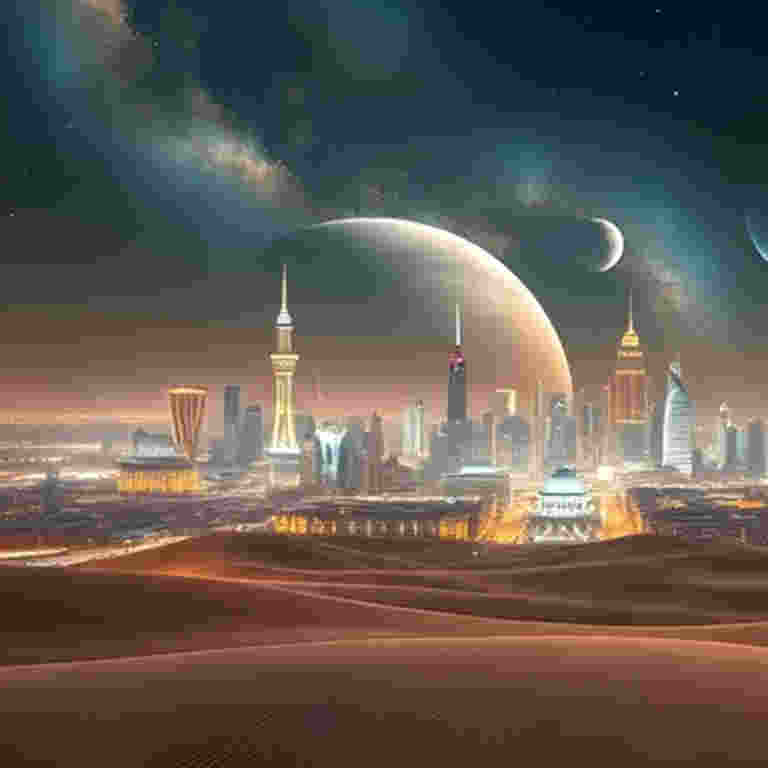

Science fiction—often shortened to sci-fi—is one of the most influential and imaginative genres across anime, manga, and video games. While the surface of sci-fi may appear to be about technology, space, or futuristic weapons, its true strength lies in how it explores humanity’s relationship with progress, science, and the unknown. In Japanese pop culture especially, sci-fi has evolved into a flexible genre that blends philosophy, psychology, action, and speculation, creating works that resonate far beyond flashy visuals.
This article explores what defines the sci-fi genre in anime, manga, and games and why it continues to fascinate fans—without revealing story spoilers.
The Core Idea of Sci-Fi
At its heart, sci-fi asks a simple question: “What if?”
What if technology advanced faster than morality?
What if humanity colonized space?
What if artificial intelligence became self-aware?
What if time could be manipulated?
Sci-fi is not prediction—it is speculation. It uses imagined futures, alternate realities, or advanced science to examine real human concerns such as identity, freedom, ethics, and survival.
How Sci-Fi Differs from Fantasy
While fantasy often relies on magic, mythology, and supernatural forces, sci-fi grounds its ideas—at least conceptually—in science or technology. Even when the science is exaggerated or fictional, it follows internal logic.
In anime and manga, this distinction often blurs. Titles like Neon Genesis Evangelion or Code Geass combine scientific frameworks with symbolic or psychological elements, creating a uniquely Japanese approach to sci-fi storytelling.
Major Sci-Fi Themes in Anime and Manga
Technology and Humanity
One of the most common themes is how technology affects human life and identity. Anime such as Ghost in the Shell and Psycho-Pass explore societies shaped by surveillance, cybernetics, and digital consciousness. Characters like Motoko Kusanagi or Akane Tsunemori exist in worlds where the line between human and machine is thin, raising questions about what it truly means to be alive.
Artificial Intelligence and Robotics
Robots in Japanese sci-fi are rarely just tools. From classic works like Astro Boy to modern series like Vivy: Fluorite Eye’s Song, AI characters often possess emotions, agency, and moral dilemmas. These stories reflect cultural curiosity about coexistence rather than domination, making robots sympathetic rather than threatening.
Space Exploration and Cosmic Scale
Space opera is a cornerstone of anime sci-fi. Series such as Mobile Suit Gundam, Legend of the Galactic Heroes, and Space Battleship Yamato use vast galactic settings to explore politics, war, ideology, and human ambition.
The presence of mobile suits like RX-78-2 Gundam or iconic fleets emphasizes scale while grounding conflicts in human emotion and leadership struggles.
Time Travel and Alternate Realities
Time manipulation is another favorite sci-fi concept. Anime and manga often explore timelines, causality, and choice without relying on simple explanations. Games like Steins;Gate and anime such as Erased use time as a narrative device to explore consequence, regret, and responsibility.
Rather than focusing on spectacle, these stories emphasize emotional weight and personal decision-making.
Post-Apocalyptic and Dystopian Futures
Many sci-fi works imagine futures shaped by collapse, environmental damage, or authoritarian systems. Titles like Akira, Texhnolyze, and Blame! present worlds where technology persists but society fractures.
These settings allow creators to explore resilience, decay, and the cost of progress—often with striking visual design and atmosphere.
Sci-Fi in Video Games
Games offer a unique advantage in sci-fi storytelling: player agency. Instead of observing speculative worlds, players interact with them directly.
Sci-Fi Games Focused on Choice
Games like Mass Effect, Deus Ex, and Cyberpunk 2077 let players navigate morally complex sci-fi worlds. While the settings are futuristic, the core appeal lies in decision-making and consequence.
Japanese games such as Xenoblade Chronicles, Nier: Automata, and Phantasy Star blend philosophical sci-fi with emotional storytelling and immersive exploration.
Mecha and Tactical Sci-Fi Games
Mecha is a uniquely strong sci-fi subgenre in Japan. Games like Super Robot Wars, Armored Core, and Zone of the Enders focus on mechanical design, strategy, and human-machine synergy.
These games often emphasize:
- Customization
- Tactical thinking
- Emotional connection to machines
Sci-Fi as Atmosphere
Some sci-fi games prioritize mood over action. Titles like Outer Wilds, Signalis, and Observer create eerie, thoughtful experiences where environment and discovery are central.
Fans of sci-fi often appreciate these slower, contemplative approaches that reward curiosity.
Why Sci-Fi Thrives in Anime and Manga
Japanese creators often use sci-fi to explore philosophical questions without heavy exposition. Visual symbolism, abstract concepts, and character introspection are common tools.
Cultural influences such as post-war technological anxiety, rapid urbanization, and robotics research have shaped Japan’s approach to sci-fi, giving it a distinct tone compared to Western works.
This is why anime sci-fi often feels:
- Introspective rather than triumphant
- Emotionally complex rather than purely technical
- Symbolic rather than literal
Sci-Fi Blended with Other Genres
Sci-fi rarely exists alone. Many popular works combine it with:
- Action (Gundam, Akira)
- Romance (Plastic Memories)
- Horror (Serial Experiments Lain)
- Slice of life (Planetes)
- Mystery (ID: Invaded)
This flexibility allows sci-fi to appeal to a wide audience, from casual viewers to deep thinkers.
Why Fans Are Drawn to Sci-Fi
Fans love sci-fi because it:
- Stimulates imagination
- Encourages philosophical thinking
- Reflects real-world concerns in fictional form
- Allows exploration of futures without risk
Sci-fi invites audiences to question reality, progress, and identity—while still delivering entertainment.
Conclusion
The sci-fi genre in anime, manga, and games is far more than lasers and spaceships. It is a creative space where technology becomes a mirror for humanity, and speculative futures become tools for understanding the present.
By blending imagination, emotion, and philosophical inquiry, sci-fi continues to be one of the most powerful and enduring genres in Japanese pop culture—inviting fans not just to watch or play, but to think.




Pingback: Why some people like Gaming and some like Anime Watching? – Akusaa.com discuss Anime, Gaming, and misc things
Pingback: The Evolution of Mecha Anime: A Journey Through Giant Robots – Akusaa.com discuss Anime, Gaming, and misc things
Pingback: Anime Each Generation Watches – And Why – Akusaa.com discuss Anime, Gaming, and misc things