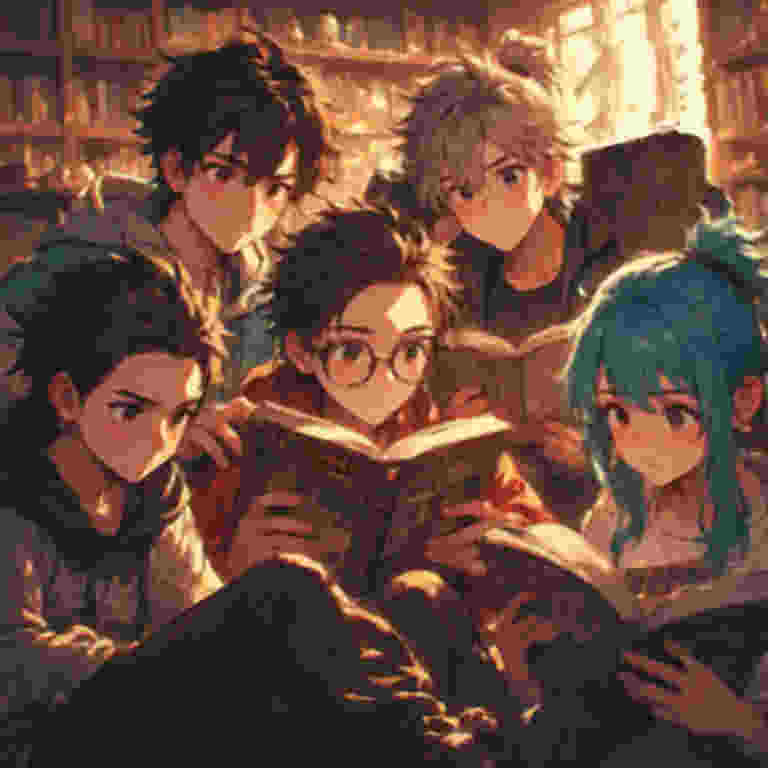

In the age of online communities and global fandoms, stories no longer end when the credits roll. For many fans, the real excitement begins afterward—when they start asking questions, connecting dots, and imagining possibilities that creators never explicitly confirmed. This phenomenon is known as fan theory, and it has become one of the most enjoyable and meaningful ways audiences engage with anime, manga, games, films, and television.
Fan theories are not about replacing the original story or claiming secret “truths.” Instead, they are a form of creative participation—an intellectual and emotional dialogue between the audience and the work itself. This article explores what fan theories are, how they form, why they thrive across different media, and how they enhance enjoyment without spoiling stories.
What Is a Fan Theory?
A fan theory is an interpretation or hypothesis created by fans to explain unanswered questions, hidden connections, or future possibilities within a story world. These theories are usually based on clues found in dialogue, visuals, symbolism, world-building, character behavior, or recurring themes.
In anime and manga, fan theories often emerge from subtle visual cues, repeated motifs, or mysterious backstories. In games, they might stem from environmental storytelling, item descriptions, unused assets, or ambiguous endings. Across all media, fan theories arise where stories leave space for imagination.
Importantly, fan theories do not require spoilers. Many theories focus on themes, symbolism, or world mechanics rather than plot twists. This makes them accessible even to newer fans.
Why Fan Theories Exist at All
Fan theories exist because great stories invite curiosity. When a world feels rich and alive, fans naturally want to explore it beyond what is explicitly shown. Ambiguity, intentional or not, creates room for interpretation.
Creators of anime and games often design stories with open-ended elements on purpose. Unexplained lore, mysterious characters, or unclear rules allow audiences to engage more deeply. Fan theories become a way for viewers and players to feel like explorers rather than passive consumers.
Fan Theories in Anime and Manga
Anime and manga are especially fertile ground for fan theories due to their visual storytelling and long-form structure. Series such as Naruto, One Piece, Attack on Titan, Neon Genesis Evangelion, Fullmetal Alchemist, Bleach, Jujutsu Kaisen, and Hunter x Hunter have inspired countless theories over the years.
Fans might theorize about:
- How certain powers or abilities truly work
- The symbolic meaning behind recurring imagery
- Cultural or mythological references hidden in character designs
- Relationships and emotional subtext between characters
- The deeper themes a story is exploring
These theories don’t spoil the story—they deepen appreciation. Even if a theory turns out to be incorrect, the process of analyzing and discussing it adds value to the viewing experience.
See also
- Fan Theories in Dragon Ball
- Fan Theories in One Piece
- Fan Theories in Jujutsu Kaisen
- Fan Theories in Chainsaw Man
- Fan Theories in Demon Slayer
- Original Dragon Ball Saga’s Fan Theories
- Mobile Suit Gundam’s Fan Theories
Fan Theories in Video Games
Video games offer unique opportunities for fan theories because players actively explore the world. Games like The Legend of Zelda, Final Fantasy, Dark Souls, Elden Ring, Pokémon, Metal Gear Solid, Persona, NieR, and Halo are famous for inspiring theory-driven discussions.
In games, fan theories often emerge from:
- Environmental clues and level design
- Lore hidden in item descriptions or NPC dialogue
- Non-linear storytelling
- Multiple interpretations of endings or timelines
- Gaps between sequels
Because games are interactive, fan theories make players feel like detectives uncovering secrets. This transforms replaying a game into a fresh experience, as fans look at familiar places with new understanding.
See also
- Fan Theories in Pokémon
- Fan Theories in The Legend of Zelda
- Fan Theories of Final Fantasy Series
- Fan Theories in Final Fantasy VI
- Fan Theories in Mega Man Multiverse
- Fan Theories of Mega Man X Series
- Fan Theory of the Command & Conquer (Tiberium Series)
- Fan Theories of Red Alert Series
- Fan Theories of StarCraft Series
- Fan Theories of the Super Mario Universe
- Fan Theories of Grand Theft Auto Universe
- Fan Theories of Grand Theft Auto San Andreas
- Fan Theories of Ragnarok Online
- Fan Theories of The Elder Scrolls Series
Fan Theories Across Other Media
Fan theories aren’t limited to anime and games. Films, novels, TV series, and even comics inspire them as well. Franchises like Star Wars, Marvel, DC, Harry Potter, and The Lord of the Rings thrive on fan speculation.
In these media, fan theories often explore:
- Character motivations
- Alternate interpretations of key events
- Symbolism and thematic depth
- Connections between different entries in a franchise
Theories allow fans to revisit stories with a critical eye, turning entertainment into an active intellectual experience.
See also
How Fan Theories Enhance Enjoyment
They Encourage Active Engagement
Instead of passively watching or playing, fans analyze details, rewatch scenes, and replay games with fresh perspectives. This makes the experience more immersive and memorable.
They Build Community
Fan theories thrive in discussion spaces—forums, social media, video essays, and fan conventions. Sharing theories helps fans connect, debate respectfully, and bond over shared curiosity.
They Deepen Emotional Investment
When fans theorize about characters or worlds, they become emotionally invested in the outcome. Even without spoilers, understanding motivations and symbolism makes moments more impactful.
They Extend a Story’s Lifespan
A good fan theory can keep a series alive in public conversation long after an episode airs or a game releases. This is why older anime and classic games still feel relevant today.
They Respect the Intelligence of the Audience
Fan theories assume that stories are layered and meaningful. This mutual respect between creators and fans strengthens the relationship between the work and its audience.
Fan Theories Are Not About Being “Right”
One important truth about fan theories is that they don’t need to be correct to be valuable. Many creators have acknowledged enjoying fan interpretations—even when they differ from the original intent.
The joy of fan theories lies in exploration, creativity, and conversation, not prediction. A theory can be thought-provoking, poetic, or fun without ever being confirmed.
The Line Between Theory and Spoilers
Healthy fan theory culture respects spoilers. The best theories focus on themes, world-building, and possibilities, not leaked information or future plot reveals. This ensures that both new and longtime fans can enjoy discussions without fear of ruining the experience.
The Difference Between Theory and Creepypasta
Fan theories and Creepypasta are two distinct forms of fan-created content that emerge from popular media, but they serve different purposes and evoke varying responses. Fan theories are speculative interpretations made by fans to offer new insights or alternative explanations about a story, character, or event within a narrative. These theories often deepen engagement with the source material, encouraging discussion and exploration of hidden meanings or unresolved plot points. In contrast, Creepypasta refers to horror-themed short stories or urban legends shared online, often crafted to provoke fear or unease. These narratives typically involve supernatural elements, unsettling scenarios, or eerie twists, and are presented as if they could be real experiences. While fan theories aim to expand on existing lore constructively, Creepypasta seeks to frighten or entertain through inventive storytelling.
Why Fan Theories Matter in Modern Fandom
In modern media culture, fan theories represent a shift from passive consumption to active participation. They show that audiences care deeply about stories and want to engage with them thoughtfully.
Anime, games, and other storytelling media thrive when fans feel invited to think, imagine, and discuss. Fan theories are the bridge between creator intent and audience imagination.
Final Thoughts: A Celebration of Curiosity
Fan theories are a celebration of curiosity. They turn watching anime or playing games into a shared journey of discovery. They encourage critical thinking, creativity, and emotional connection—all without needing to spoil a single story.
Whether you enjoy reading theories, writing your own, or simply listening to different interpretations, fan theories remind us of one simple truth: great stories don’t end—they echo.




I love fan theories
Pingback: Top 12 Anime Forums of 2025: Where Fans Unite for Discussions – Akusaa.com discuss Anime, Gaming, and misc things
Pingback: Original Dragon Ball Saga’s Fan Theories and Conspiracies – Akusaa.com discuss Anime, Gaming, and misc things
Major thankies for the article post.Really looking forward to read more. Really Great.
I feel amazed by One piece fan conspiracy theories
I really enjoy the blog.Really looking forward to read more. Keep writing.
I am a one piece fan and I love to fantasize about the world.