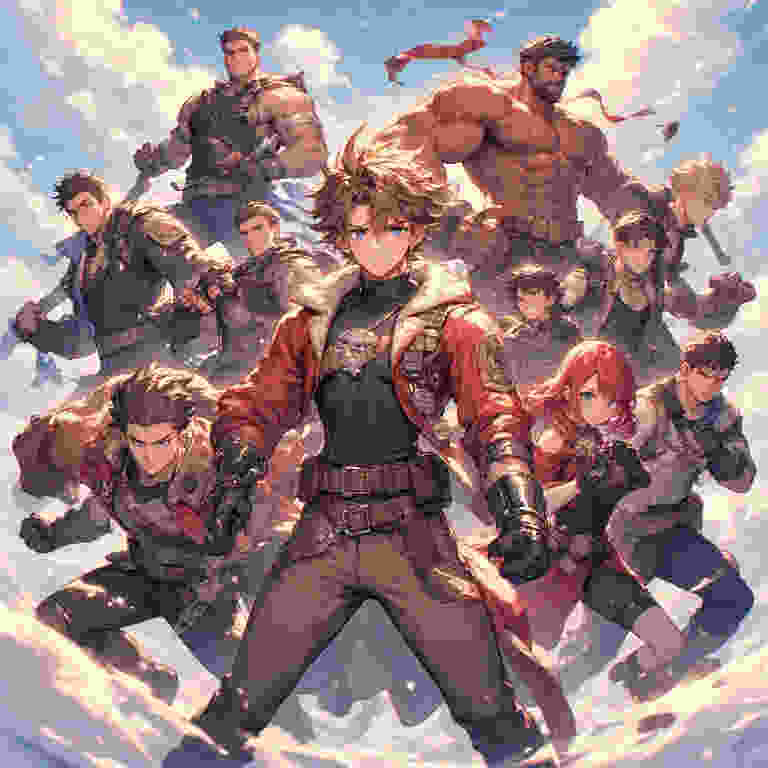

In storytelling, the protagonist is the heart of the experience—the character whose journey we follow, whose choices we feel, and whose growth we celebrate. But in video games and anime (and manga), protagonists serve very different purposes because of the mediums themselves. Games are interactive, so the player often is or directly influences the protagonist. Anime is non-interactive, a linear visual narrative where the audience observes and empathizes with the protagonist from the outside. These fundamental differences shape how protagonists are designed, how they grow, and why they leave such lasting impressions. In 2026, with blockbuster releases like Final Fantasy XVII teasing customizable leads and anime like Chainsaw Man Season 2 and Jujutsu Kaisen finales dominating conversations, understanding these distinctions helps fans appreciate both mediums even more.
Let’s break down the key differences—and celebrate why both types of protagonists are so important.
1. Player Agency vs. Author-Driven Destiny
Game Protagonists: You Are the Hero (or Anti-Hero)
In most video games, the protagonist exists to give you control. Your decisions, playstyle, and moral choices often define who they become.
- Silent or Customizable Leads: Many game protagonists are deliberately blank slates so players can project themselves. Link in The Legend of Zelda series rarely speaks—his courage, curiosity, and bravery are expressed through your actions. The Dragonborn in Skyrim, Commander Shepard in Mass Effect, or the Traveler in Genshin Impact let you choose gender, appearance, voice, and even alignment (paragon or renegade, benevolent or ruthless).
- Choice and Consequence: Games like The Witcher 3 (Geralt), Baldur’s Gate 3 (custom Tav), Cyberpunk 2077 (V), or Dragon Age series let dialogue wheels and actions shape relationships, endings, and world states. Even linear games like God of War (Kratos) or The Last of Us (Joel/Ellie) give combat and exploration freedom that feels personal.
- Gameplay Reflection: The protagonist’s abilities mirror player skill. Master Chief in Halo feels powerful because you land headshots. Cloud in Final Fantasy VII Remake combos because you time inputs perfectly.
This creates a profound sense of ownership: “I saved the world” feels literal.
Anime Protagonists: You Witness the Hero’s Journey
Anime (and manga) protagonists are crafted by writers and directors to carry a complete emotional arc. You don’t control them—you root for them.
- Defined Personality from the Start: Characters like Naruto Uzumaki, Luffy in One Piece, Izuku Midoriya in My Hero Academia, or Tanjiro Kamado in Demon Slayer have clear motivations, flaws, and growth paths established early. Their reactions, speeches, and decisions drive the narrative forward.
- Emotional Investment Through Observation: We connect through empathy—watching Light Yagami’s descent in Death Note, Lelouch’s burdens in Code Geass, or Shinji Ikari’s struggles in Evangelion. Their inner monologues, tears, and triumphs hit because we see every step.
- Symbolic Representation: Many embody ideals—Goku’s pure-hearted fighting spirit in Dragon Ball, Edward Elric’s determination in Fullmetal Alchemist: Brotherhood, or Eren Yeager’s complexity in Attack on Titan.
Because anime is non-interactive, creators can push emotional extremes and philosophical depth without worrying about player frustration.
2. Growth and Development: Player-Driven vs. Narrative-Driven
Games: Growth Through Mastery
Game protagonists often grow in power because you improve. Leveling up in Elden Ring‘s Tarnished, unlocking new moves in Devil May Cry‘s Dante, or building empires in Civilization reflects player skill progression.
Moral growth can be player-choice: Become a benevolent leader in Fable or a tyrant in Tyranny. Even fixed characters like Kratos (God of War) evolve through gameplay—mastering combos mirrors his journey from rage to restraint.
Anime: Growth Through Scripted Arcs
Anime protagonists follow carefully planned arcs. Early recklessness gives way to wisdom (Naruto‘s journey from prankster to leader), idealism tempers with reality (Light in Death Note), or quiet kindness blooms into strength (Tanjiro in Demon Slayer).
Supporting casts push development—mentors like Kakashi (Naruto), All Might (My Hero Academia), or Rei Ayanami (Evangelion) serve as mirrors or catalysts.
3. Design and Expression: Blank Canvas vs. Vibrant Personality
Games: Often Muted for Immersion
Many game protagonists are silent or minimally voiced to avoid breaking immersion. Master Chief’s helmet stays on, Doomguy grunts, Gordon Freeman never speaks. When voiced, lines are neutral—Half-Life: Alyx‘s Alyx Vance has personality, but player actions define tone.
Custom protagonists (Dragon’s Dogma 2‘s Arisen, Saints Row‘s Boss) let you craft appearance and voice.
Anime: Expressive and Iconic
Anime protagonists explode with personality—spiky hair, signature outfits, catchphrases. Luffy‘s straw hat, Goku’s orange gi, Ichigo’s black shihakusho (Bleach), or Denji’s chainsaw head (Chainsaw Man) are instantly recognizable.
Voice acting is crucial: Masako Nozawa’s eternal Goku energy, Junichi Suwabe’s suave Yami (Black Clover), or Mamoru Miyano’s dramatic Light Yagami.
4. Why Both Matter: Different Paths to Emotional Connection
Game Protagonists give a sense of achievement and authorship. You feel powerful because you earned it—beating a boss in Dark Souls, building an empire in Stellaris, or romancing companions in Mass Effect. The protagonist is your avatar.
Anime Protagonists offer inspiration and catharsis. Their scripted journeys—overcoming doubt, loss, or oppression—mirror real human struggles. We cry with them, cheer for them, learn from them.
Together, they complete the spectrum: games let you live heroism, anime lets you feel it.
Examples Across Both Mediums
- Silent/Custom Leads (Games): Link (Zelda), The Tarnished (Elden Ring), V (Cyberpunk 2077), Claude (Grand Theft Auto series).
- Voiced Fixed Leads (Games): Geralt (The Witcher), Kratos (God of War), Joel (The Last of Us).
- Expressive Icons (Anime): Naruto, Luffy, Goku, Izuku Midoriya, Light Yagami, Lelouch vi Britannia, Guts (Berserk), Spike Spiegel (Cowboy Bebop).
The Beauty of Both Approaches
Game protagonists empower players to write their own legend. Anime protagonists gift us fully realized heroes whose journeys resonate long after the credits.
In 2026, whether you’re customizing your Arisen in Dragon’s Dogma 2, watching Tanjiro’s quiet determination in Demon Slayer, or building your legend in both mediums, protagonists remain the soul of our favorite stories—one lets you become the hero, the other shows you what heroism truly means.
Which type connects with you more—the one you control, or the one you root for? Both are essential. Both are magic.




Pingback: Fan Theory of Pokémon Red, Blue, and Green (Gen I) – Akusaa.com discuss Anime, Gaming, and misc things
Pingback: Ash Ketchum vs. Red: The Parallel Protagonists of Pokémon – Akusaa.com discuss Anime, Gaming, and misc things
I watch Golden Kamuy and enjoy it a lot.
I loved your blog.Really thank you!
I waill play games and watch anime.