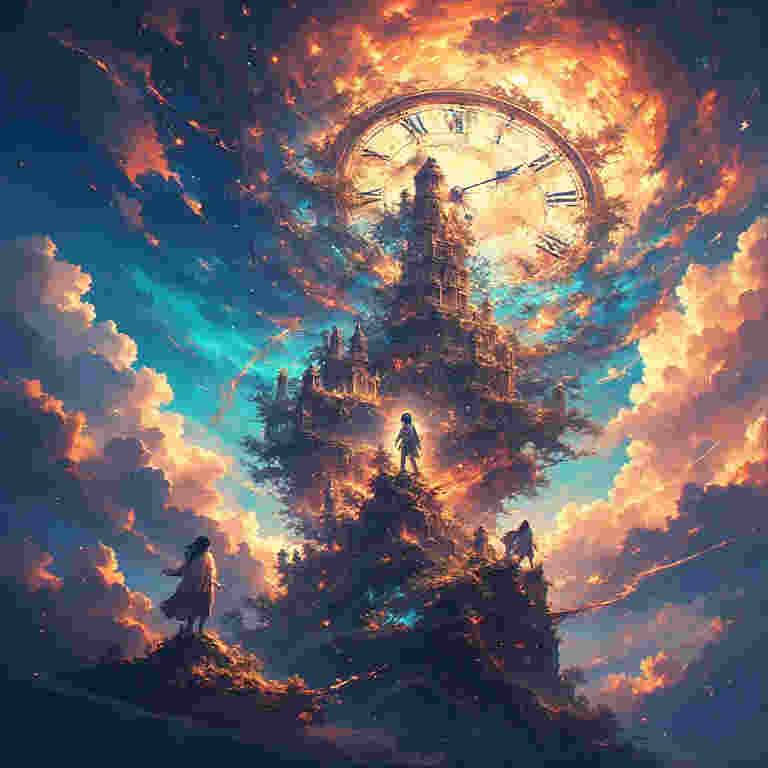

In the vibrant lexicon of anime and manga, we often celebrate iconic heroes, heartbreaking plot twists, and breathtaking animation. Yet, there exists a silent, omnipresent force that is equally responsible for embedding stories into our souls: the atmosphere and setting. This is not merely a backdrop or a stage for events to unfold upon. In the most impactful works, the setting is a living, breathing entity—an unseen character that shapes narrative, dictates emotion, and becomes the very language through which theme is spoken. It is the difference between watching a story and being enveloped by a world.
Defining the Duality: Setting vs. Atmosphere
First, we must distinguish these intertwined concepts. Setting is the tangible where and when: the geographic location, the architectural space, the historical period, the rules of the world. It is the cobblestone streets of a Victorian-era city, the infinite labyrinth of a cyber-network, or the cramped, cluttered apartment of a reclusive student.
Atmosphere (or ambiance) is the intangible feel evoked by that setting. It is the mood, the tone, the sensory and emotional quality of the air. It is the melancholic drizzle that coats a noir detective’s investigation, the oppressive, silent dread within a derelict spaceship, or the warm, sun-drenched lethargy of a countryside summer.
Together, they form a symbiotic relationship. The setting provides the skeleton; the atmosphere is the soul that animates it. A masterful creator uses one to build the other, crafting an immersive experience that operates on a subconscious level.
The Narrative Functions of World and Mood
1. As an Emotional Amplifier and Psychological Mirror
The environment externalizes internal states. In Satoshi Kon’s Paranoia Agent, the urban landscape of Tokyo itself becomes distorted and menacing, reflecting the collective anxiety and hysteria of its citizens. The line between reality and delusion blurs in the very streets they walk. Similarly, the decaying, organic grandeur of the mansion in Kiyoshi Kurosawa’s film Kairo (Pulse) is not just haunted; it is a physical manifestation of loneliness and spiritual erosion in the digital age. The setting doesn’t just host the horror—it is the horror.
In contrast, the ethereal, ever-changing landscapes of Makoto Shinkai’s works, like the rain-slicked, neon-reflected cities in Your Name, become canvases for yearning and connection. The atmosphere of sublime, almost painful beauty directly translates the characters’ profound, ineffable emotions into something the viewer can viscerally feel.
2. As a Silent Storyteller and Lore-Bearer
“Show, don’t tell” finds its ultimate expression in environmental storytelling. The post-apocalyptic worlds of Hayao Miyazaki’s Nausicaä of the Valley of the Wind or Castle in the Sky are dense with silent history. The crumbling, vine-choked giant robots and floating ruins aren’t set dressing; they are archaeological relics that whisper of a glorious, fallen civilization and the catastrophic folly that ended it. The audience pieces together the lore by observing, not by being lectured.
In Kentaro Miura’s Berserk, the setting is a relentless narrator. The bleak, medieval-inspired landscapes, rife with plague, war, and literal demonic incursion, tell a story of a world abandoned by God, where hope is a scarce and fading resource. You understand the universe’s cruelty by existing within its spaces.
3. As a Determinant of Genre and Tone
Often, the setting is the genre. The claustrophobic, neon-drenched alleyways and sprawling megacorporate towers instantly signal cyberpunk, as seen in Ghost in the Shell or Psycho-Pass. This setting isn’t neutral; it inherently carries themes of transhumanism, identity, and societal control. The atmosphere—the constant rain, the glare of holographic ads, the chill of impersonal technology—reinforces the genre’s philosophical coldness.
Compare this to the meticulously researched, bustling marketplaces and serene temples of Eiichiro Oda’s One Piece or Akira Toriyama’s early Dragon Ball. These are worlds of boundless adventure and wonder, where the atmosphere is one of limitless possibility. The tone is set not by plot alone, but by the very air of the world, which invites exploration and screams that mystery lies just over the horizon.
4. As a Catalyst for Conflict and Driver of Plot
A compelling setting inherently generates conflict. The brutal, resource-scarce underground city of Promised Neverland or the hierarchical, rigid structure of the Attack on Titan walls are pressure cookers. The atmosphere of confinement and regulated fear is the engine of the plot; the characters’ primary goal becomes overcoming or escaping the very world they inhabit.
In survival series like Dr. STONE, the setting—a world reverted to the Stone Age—is the entire premise. The conflict is man vs. nature, and the atmosphere shifts from one of bewildering desperation to one of thrilling, scientific rediscovery. The plot is dictated directly by the logic and challenges of the setting.
Genre-Specific Mastery: A Tapestry of Examples
- Slice-of-Life & Iyashikei (Healing): Here, atmosphere is the primary product. The rural countryside in Barakamon or Non Non Biyori is a character of serenity and gentle pace. The calming sound design (cicadas, wind chimes), the soft, pastel-heavy art, and the depiction of mundane routines craft an atmosphere of therapeutic comfort. The setting promises safety and quiet joy.
- Horror & Psychological Thriller: Masters like Junji Ito understand that the most terrifying setting is often a familiar one twisted just slightly. A normal household becomes a locus of cosmic dread. The atmosphere is built through meticulous detail—the unnatural texture of a spiral, the wrongness of a shadow—making the mundane terrifying. In Perfect Blue, the setting of the pop idol industry and the blurring lines between stage, screen, and reality create an atmosphere of pervasive paranoia where identity itself dissolves.
- Fantasy & Isekai: The success of a fantasy hinges entirely on the believability and rules of its setting. Made in Abyss presents a world of breathtaking beauty and unspeakable horror in the same frame. The Abyss is not just a hole; it is an all-consuming, enigmatic character with its own cruel laws (the “Curse of the Abyss”). The atmosphere oscillates between wondrous awe and primal terror because the setting demands it.
- Sci-Fi & Mecha: The setting provides the sociological blueprint. The cramped, utilitarian interiors of a spaceship in Planetes convey the grimy, blue-collar reality of space travel. The cold, minimalist interiors of the Geofront in Neon Genesis Evangelion create an atmosphere of clinical alienation and psychological pressure, reflecting the themes of isolation and instrumentalization.
Conclusion: The World That Remains
Long after specific plot points fade, we remember the feeling of a world. We remember the haunting stillness of the Spirited Away bathhouse at night, the howling spiritual winds of Mushishi’s countryside, or the rain-soaked, melancholic beauty of Samurai Champloo’s anachronistic Edo period.
This is the ultimate power of atmosphere and setting. They transcend narrative to create a sensorial and emotional memory. A great setting doesn’t just facilitate a story; it justifies it, enriches it, and ultimately becomes inseparable from it. It is the invisible hand that guides our heart rate, the palette that colors our emotional response, and the silent, most enduring character of all. In anime and manga, to build a world is to build a mood, and to build a mood is to build an experience that lingers forever in the imagination.




Pingback: The Anatomy of Dread: Horror Genre in Anime and Manga – Akusaa.com discuss Anime, Gaming, and misc things