
Secret that make great anime writers stand out
1 : Mastery of Worldbuilding and Setting
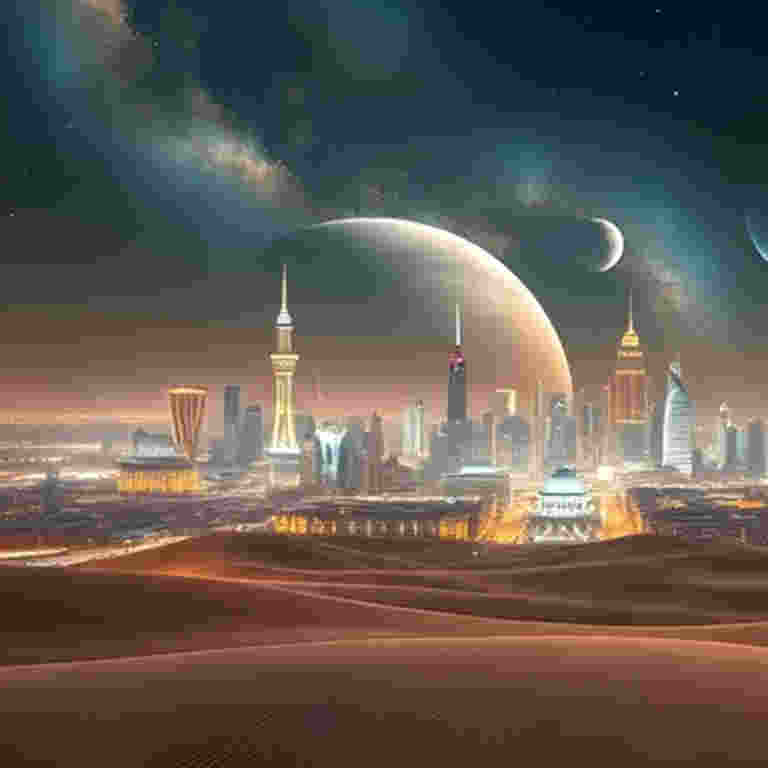
Worldbuilding is one of the most fundamental secrets behind the success of great anime writers. Unlike many Western animated works that primarily target younger audiences, anime often creates intricate universes where setting itself is a character. The best writers know that a well-crafted world immerses viewers, grounds the story, and gives room for characters to thrive.
A great anime writer doesn’t just describe a background—they design a living ecosystem. Take Hiromu Arakawa’s Fullmetal Alchemist: Brotherhood as an example. She constructed Amestris not only as a military-industrial nation but as a society with its own laws, politics, religion, and even racial conflicts. The very structure of the world feeds the narrative: the oppressive military system fuels Edward and Alphonse’s conflicts, while the lore of alchemy ties directly into their personal struggles. In this sense, the world is not just a backdrop; it shapes and pressures the characters at every step.
What makes worldbuilding remarkable in anime is how layered it becomes. Writers often weave in subtle cues—architecture, food, clothing, myths, and even speech patterns—that reflect cultural identity. Consider how Hayao Miyazaki uses landscapes in Spirited Away or Princess Mononoke. His worlds are saturated with Shinto spirituality, environmental consciousness, and cultural memory. These aren’t random aesthetics; they’re carefully chosen elements that make the universe believable and emotionally resonant.
Another secret is that anime writers understand the function of rules. Rules create tension and consistency. In Death Note, Tsugumi Ohba laid down clear rules for how the Death Note works. Because viewers understand the boundaries, the thrill comes from how characters outsmart those constraints. Similarly, in shounen battle series like Naruto or Jujutsu Kaisen, the detailed explanation of jutsu or cursed energy systems gives viewers intellectual engagement alongside emotional investment. Without consistent rules, the story risks feeling hollow or cheap.
Furthermore, great anime writers use worldbuilding as a mirror to explore universal themes. A dystopian city like Akira’s Neo-Tokyo highlights the dangers of political corruption and unchecked technology. A utopian yet fragile society like the Attack on Titan walls demonstrates fear, survival, and the illusion of safety. In every case, the world acts as a reflection of human anxieties and aspirations.
The genius lies in how subtle worldbuilding can be. A single line about “food shortages” or a throwaway remark about an ancient war can spark imagination, making fans speculate and expand the story’s lore in their own minds. This keeps communities engaged long after the series airs.
In short, the first secret of great anime writers is their mastery of immersive, thematic, and rule-driven worldbuilding. They don’t just tell stories in a vacuum—they construct environments that make those stories inevitable. Every background detail serves the narrative, every rule tightens the tension, and every cultural echo enriches the emotional experience.




Pingback: Dragon Ball vs One Piece : Comparison of Two Anime Giants – Akusaa.com discuss Anime, Gaming, and misc things
In my opinion, mastering worldbuilding and setting is one of the biggest secrets behind great anime writing because a strong world makes every character decision feel more meaningful. When an anime carefully establishes its history, culture, geography, politics, technology, and everyday rules, the story begins to feel like it exists beyond the scenes shown on screen. Viewers can sense that characters are shaped by their environment rather than simply placed inside a convenient backdrop, which makes their goals and conflicts more believable. A well-designed setting also creates natural story possibilities: a country’s laws can cause tension, a class system can influence friendships, a dangerous landscape can test a character’s courage, and an old tradition can reveal why people think or behave in certain ways. The best anime writers usually avoid explaining everything at once; instead, they let the audience discover the world through conversations, visual details, customs, conflicts, and small hints, making the setting feel like something to explore rather than a textbook lesson.
Worldbuilding is especially powerful when it connects directly to character development. A character who grows up in a peaceful village may react very differently from someone raised in a war zone, while a person from an isolated culture might misunderstand the values of outsiders. These differences create believable disagreements without requiring every conflict to come from a villain’s evil plan. Setting can also give a story its identity: a fantasy kingdom, futuristic city, haunted island, or ordinary school can all become memorable when the writer understands what makes that environment emotionally distinct. Even familiar genres feel fresh when their worlds have specific rules and consequences. The setting should not exist only to look beautiful; it should influence the plot, challenge the characters, and sometimes act almost like another character with its own history and presence. When worldbuilding is mastered, viewers become invested not only in what happens next, but also in discovering how the world works, what secrets it hides, and how much larger it is than the current storyline. That combination of atmosphere, logic, and imagination is what allows an anime to stay in people’s minds long after the final episode.